Expressing concern over the matter, environmentalist BS Vohra on Tuesday told ETV Bharat that ETPs are vital for environmental conservation by treating industrial wastewater before it's released into nature.
ETV BHARAT STORY:
Nearly 1,900 Industries Operating Without ETPs, Reveals MoEFCC Data
New Delhi: Around 1,900 industries are operating without effluent treatment plants (ETPs) across the country, data issued by the Union Ministry of Environment, Forest and Climate Change (MoEFCC) shows.
As per Indian laws, industries that generate wastewater, especially those with hazardous or high pollutant loads, are legally required to install ETPs, which are essential for industries to adhere to environmental regulations by processing wastewater before its release.
The Central Pollution Control Board (CPCB) mandates ETPs for all industries in the Red Category, which includes 17 highly polluting sectors like textiles, tanneries, pharmaceuticals, paper, chemicals, refineries, and distilleries.
In addition, many industries (moderately polluting) in the Orange Category, such as food processing, dyeing units, and metal finishing, also require ETPs based on effluent characteristics and local regulations.
According to the MoEFCC data, the total number of industries operating without ETPs across the country stands at 1,898. Out of these, Assam records the highest number, 795, followed by Gujarat, 366 and Haryana, 273.
There are a total of 69,854 industries which require ETP as identified by State Pollution Control Boards (SPCBs)/Pollution Control Committees (PCCs), out of which 67,956 industries have functional ETPs, as per the Ministry.
Action as deemed fit for the industries without ETP and non-complying with the standards has been taken by concerned SPCBs/PCCs as per the provisions of environmental laws, the data says.
Expressing concern over the matter, environmentalist BS Vohra on Tuesday told ETV Bharat that ETPs are vital for environmental conservation by treating industrial wastewater before it's released into nature.
"They help prevent water pollution by removing harmful chemicals and toxins, protecting rivers, lakes and groundwater. ETPs also safeguard aquatic life and public health by reducing contamination and disease risks. Additionally, they enable industries to reuse treated water, conserving freshwater resources. By ensuring compliance with environmental laws, ETPs support sustainable industrial practices and national initiatives like Namami Gange," Vohra added.
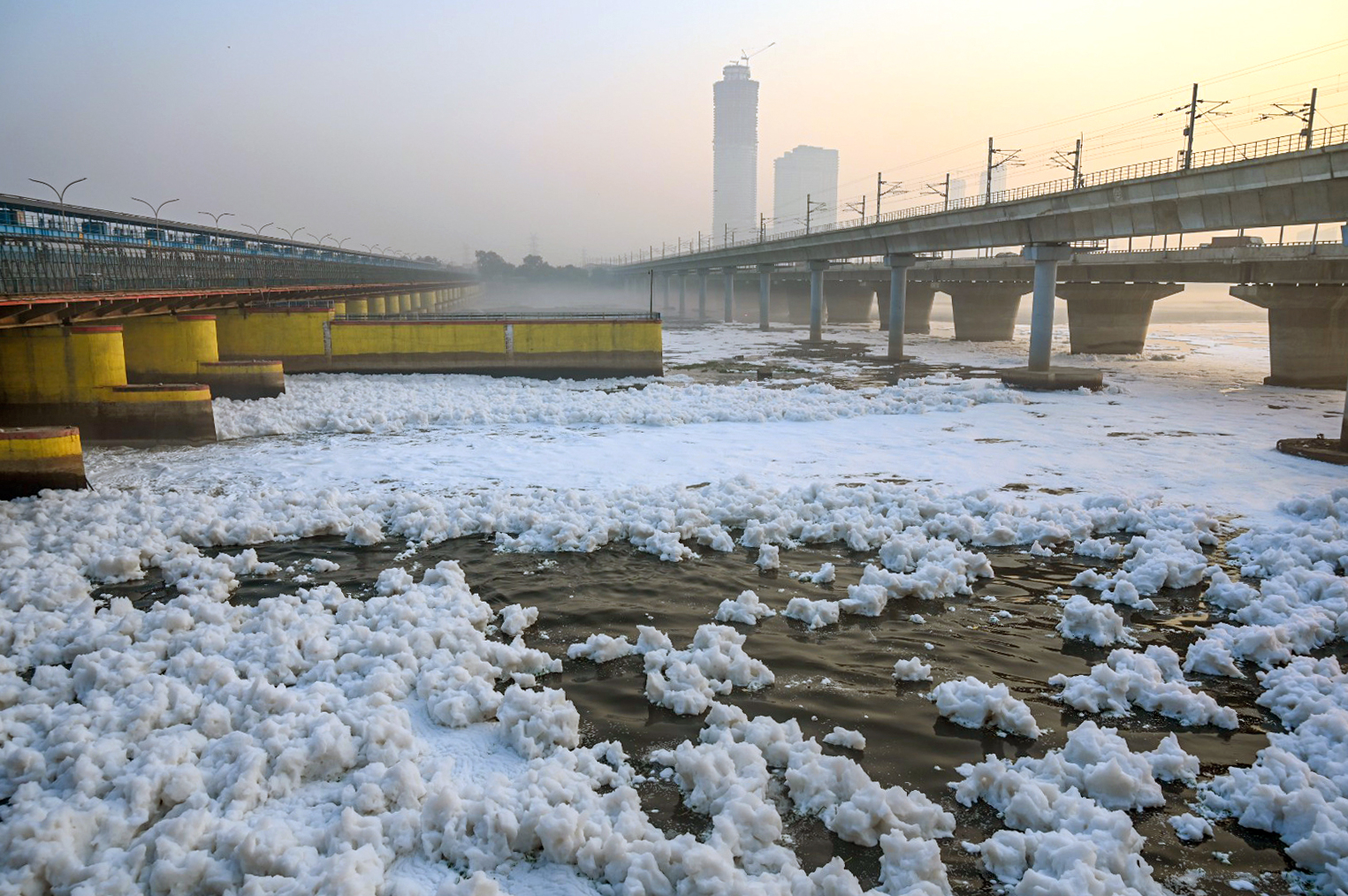
He said, overall, ETPs play a key role in reducing pollution, conserving water, and promoting a cleaner, healthier environment.
The environmental expert asserted that the Yamuna River in Delhi is ecologically dead, largely due to the unchecked discharge of untreated industrial and domestic waste. Despite decades of government programs like the Yamuna Action Plan and Namami Gange, pollution levels remain critical, with zero dissolved oxygen, making it uninhabitable for aquatic life.
"Illegal dumping by industries and poor enforcement by agencies like the Delhi Pollution Control Committee (DPCC) have exacerbated the crisis. Delays in establishing effluent and Sewage Treatment Plants (STPs) reflect administrative failure. Without strict regulation, real-time monitoring, and political will, the Yamuna will continue to deteriorate, posing serious environmental and public health risks," he said.
Vohra said, "To address the 1,898 industries lacking mandatory ETPs, the government must enforce strict compliance with environmental laws. This includes imposing fines, shutting down defaulters, and conducting regular inspections. Real-time monitoring and public disclosure of violators will enhance accountability. Financial incentives and support should be offered to smaller industries to set up ETPs or join Common Effluent Treatment Plants (CETPs)."
According to Vohra, strengthening the capacity and accountability of pollution control boards, along with involving third-party audits, is crucial. A combined approach of regulation, technology, and transparency is essential to protect waterbodies and public health, he added.


No comments:
Post a Comment